
UNESCO 80th anniversary
UNESCO and Augustenborg – when world heritage becomes everyday heritage
Experience UNESCO-Dage (the UNESCO Days) a unique celebration of UNESCO’s 80th anniversary, where we honour eight decades of cultural and scientific progress.
The historic journey of UNESCO
UNESCO’s 80th anniversary marks a significant journey with global cultural heritage and education. Since its founding, UNESCO has worked to promote peace through international cooperation in education, science, and culture. This milestone underscores the organisation’s enduring influence in preserving cultural diversity and promoting sustainable development around the world.
The Augustenborg-UNESCO bond
The Dukes of Augustenborg, the border region, and the German minority are connected to UNESCO’s fundamental idea of cultural understanding, dialogue, and peace through education and culture.
Together, Augustenborg and the entire border region is a perfect example of how cultures can clash – but still learn to live side by side. The Dukes of Augustenborg were part of a time when Danish and German identities intertwined in complex ways. After the wars and shifting borders, the area has developed into a place where we live together with mutual respect and multilingualism.
The UNESCO mission is precisely to build bridges between people through understanding and culture, which is why it makes sense to celebrate UNESCO’s anniversary here – where the world can experience how historical conflicts have turned into peaceful coexistence, living cultural heritage, and educational cooperation across languages and borders.
So, Augustenborg and the border region are not just a backdrop – they are UNESCO’s purpose in practice. And that is precisely why Augustenborg is also worthy of being included on UNESCO’s World Heritage Liste.
Why you should stop by
-
- Inspiration, insight and conversations about democracy, culture and community. Topics that are more important than ever in today’s world.
- Meet more than 50 experts, artists and cultural figures. Hear what they think about the past, the present and probably also the future, and give your own input.
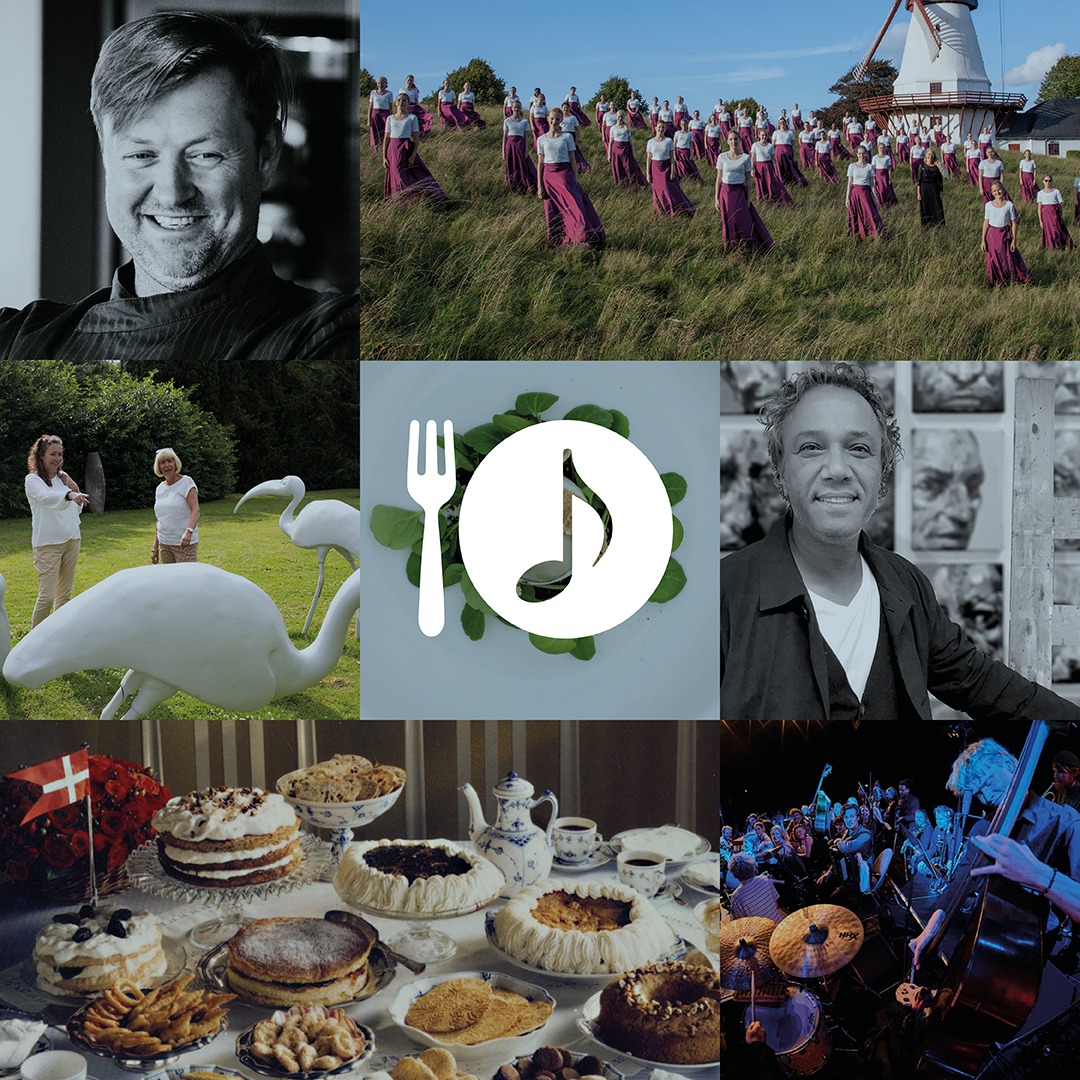
- Music, exhibitions, community singing and guided tours. History, fun and food for thought.
- South Jutland culinary experiences – from ringrider sausages to coffee and cake. Together around food history.
- Activities for both children and adults.
Everything is free – only the Sønderjyske kage-/kaffebord* requires a pre-booked ticket.
* The Sønderjysk kagebord (Southern Jutland cake table) is a traditional Danish coffee gathering famous for its impressive spread of homemade cakes – often 14 or more varieties. It began in the 19th century, when Danish-minded locals in Southern Jutland met under German rule and, forbidden to serve alcohol, instead offered coffee and cakes. Today, the cake table stands as a symbol of hospitality, community, and regional pride.
Practical information
Click HERE to jump to the more practical information for our UNESCO-Dage.
See the full programme for UNESCO-Dage
(opens the DANISH only Sonderborg UNESCO-Dage website)

Practical information
What about seating?
Talks, debates, concerts, and performances are free, but seating is allocated on a first-come, first-served basis, and for some events tickets must be booked in advance.
There will be limited seating at selected events.
Tickets can be reserved free of charge online for each individual event at the Sonderborg homepage.
What is NOT free?
Goes almost without saying, but still … food and beverages during the day are at your own expense.
And please note! If you want to join the big Sønderjysk kage-/kaffebord, you must purchase a ticket in advance.
Buying tickets can be done at the Sonderborg homepage.
8th November: Get your ticket here.
9th November: Get your ticket here.
And what about parking?
You are welcome to use the free parking spaces at the Augustenborg harbour, Augustenborg Garden, and the Danish Agricultural Agency (Landbrugsstyrelsen).
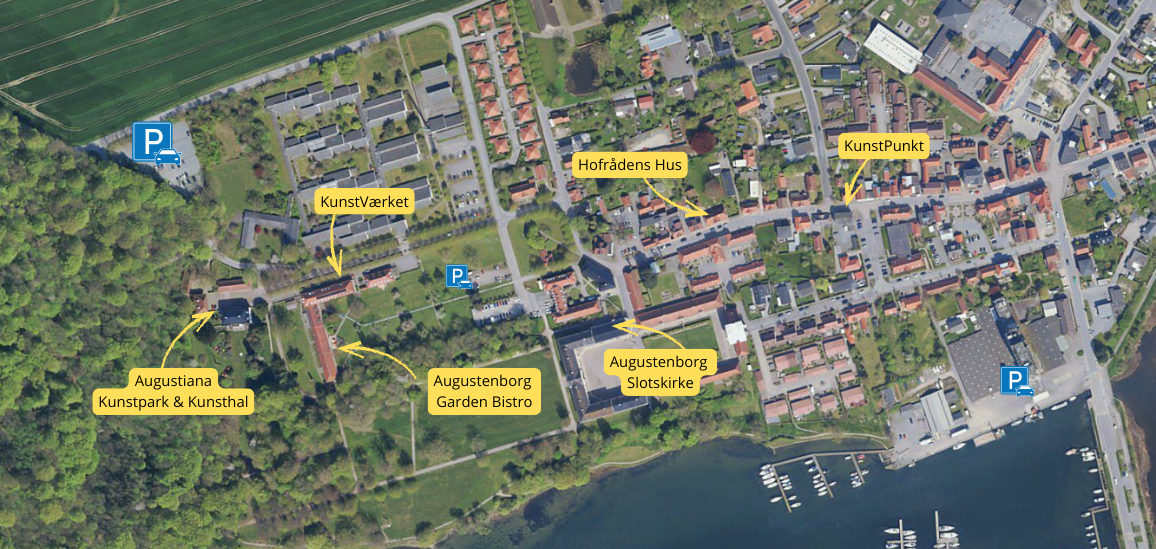
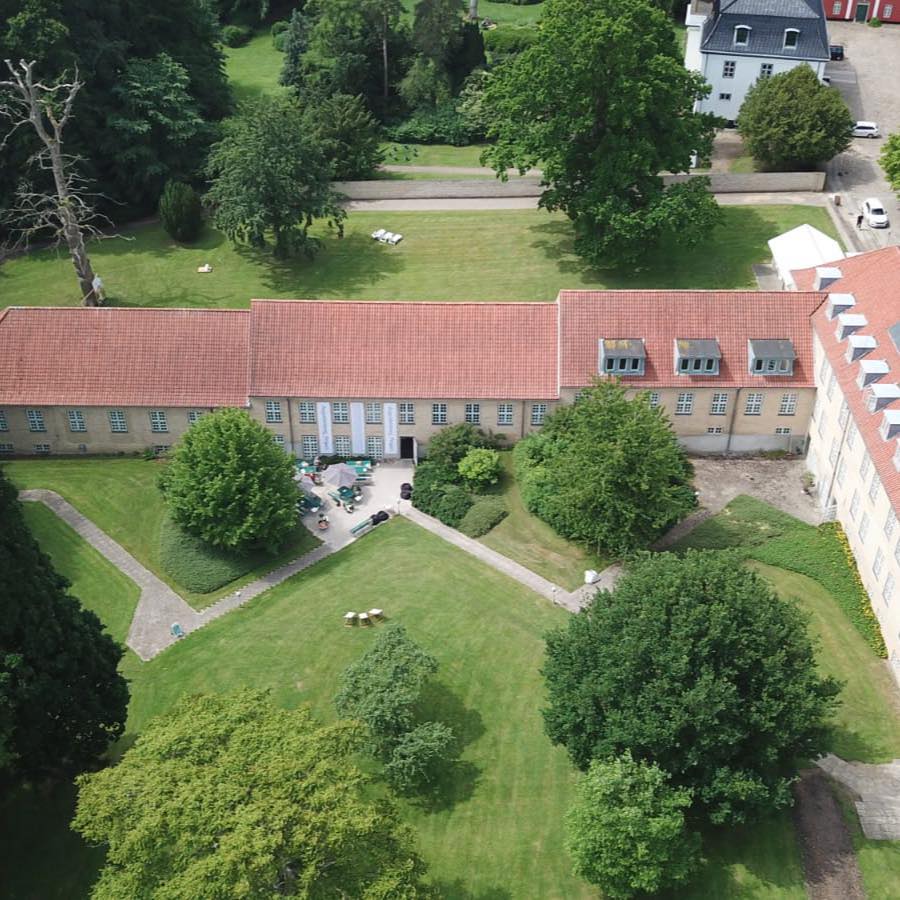
Augustenborg Garden (Fjordstuen)
Palævej 9
6440 Augustenborg
This is where many of the programme’s talks and debates take place, and Augustenborg Garden also provides the setting for communal singing and concerts. The house’s cosy bistro is open.
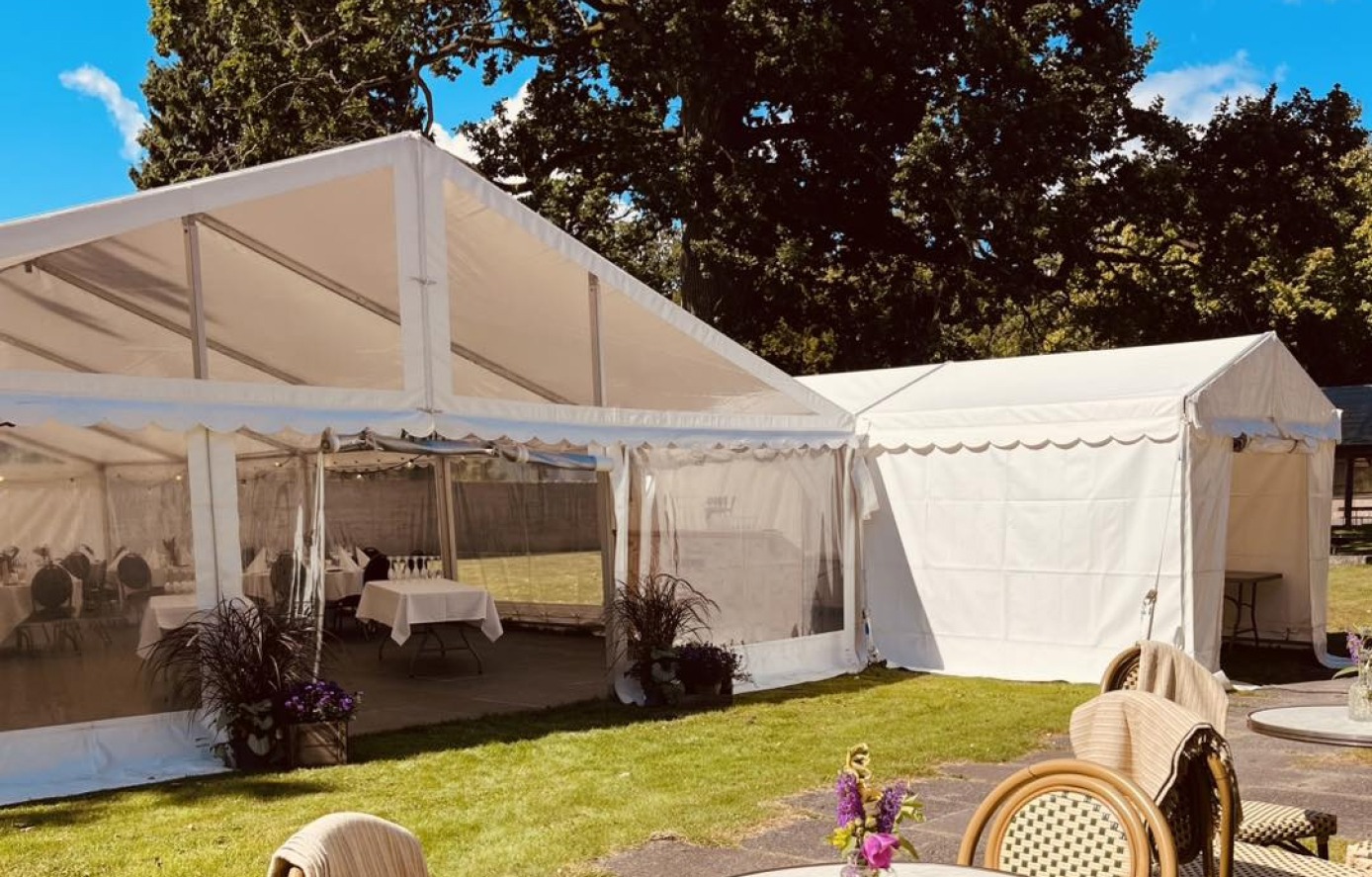
Æ Kach tent at Augustenborg Garden
The large tent at Augustenborg Garden is primarily dedicated to gastronomy and experiences. Here you can listen to talks about South Jutland food traditions and enjoy the large South Jutland coffee table. The coffee table requires payment and a pre-booked ticket.
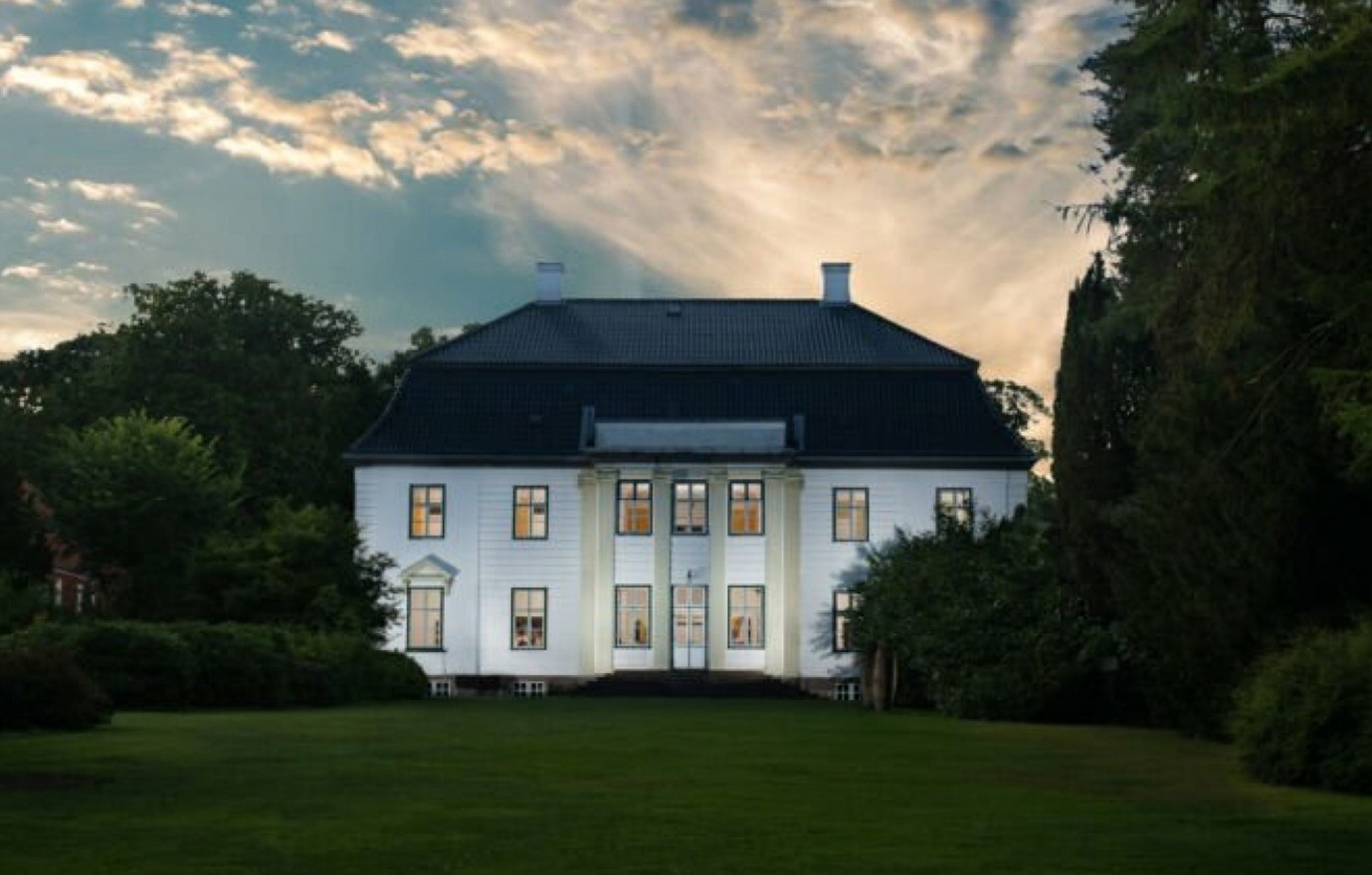
Augustiana Kunstpark & Kunsthal
Palævej 10-14
6440 Augustenborg
Augustiana is the perfect setting for this weekend’s exciting discussions about art and culture, as well as creative workshops where participants can paint and make cartoons.
Important milestones in the UNESCO history
Over the years, UNESCO has made its mark as a key player in the promotion of education, science and culture. Here are some of the most significant moments in the organisation’s history.
1945
Founding of UNESCO
UNESCO was founded in the aftermath of the Second World War to promote peace and security through international cooperation in education, science, and culture.
1972
World Heritage Convention
Adoption of the World Heritage Convention, which aims to protect the world’s cultural and natural heritage.
2000
Education for All
UNESCO launched the Education for All initiative (EFA), which aims to ensure basic education for all children, young people, and adults.
2015
Sustainable Development Goals
UNESCO played a key role in the development of the Sustainable Development Goals, which were adopted by the UN to promote global sustainability.